In the ever-evolving world of weddings, 2024 marks a significant year, witnessing a beautiful resurgence of cultural wedding traditions. As the global community becomes more interconnected, couples are increasingly embracing their heritage, creating a blend of modernity and tradition in their celebrations. Let’s explore some of these enchanting customs that are making a heartfelt comeback.
Originating from ancient Celtic traditions, handfasting is a symbolic unity ritual where a couple’s hands are tied together – literally knotting their hands with ribbons or cords. This charming tradition, embodying the phrase “tying the knot”, has seen a resurgence, adding a personal and historical touch to ceremonies.
The Haldi ceremony, a pre-wedding ritual in Indian weddings, involves applying a paste made from turmeric, yogurt, and sandalwood on the bride and groom. This auspicious ceremony, believed to bring good luck and prosperity, has seen a revival, with its joyous and interactive nature becoming a cherished moment for modern couples.
In Chinese culture, the tea ceremony is a significant way of paying respect to elders. Couples serve tea to their elders, symbolizing gratitude and receiving blessings. This ritual, embodying filial piety and respect, has regained popularity among couples seeking to honor their roots in a meaningful way.
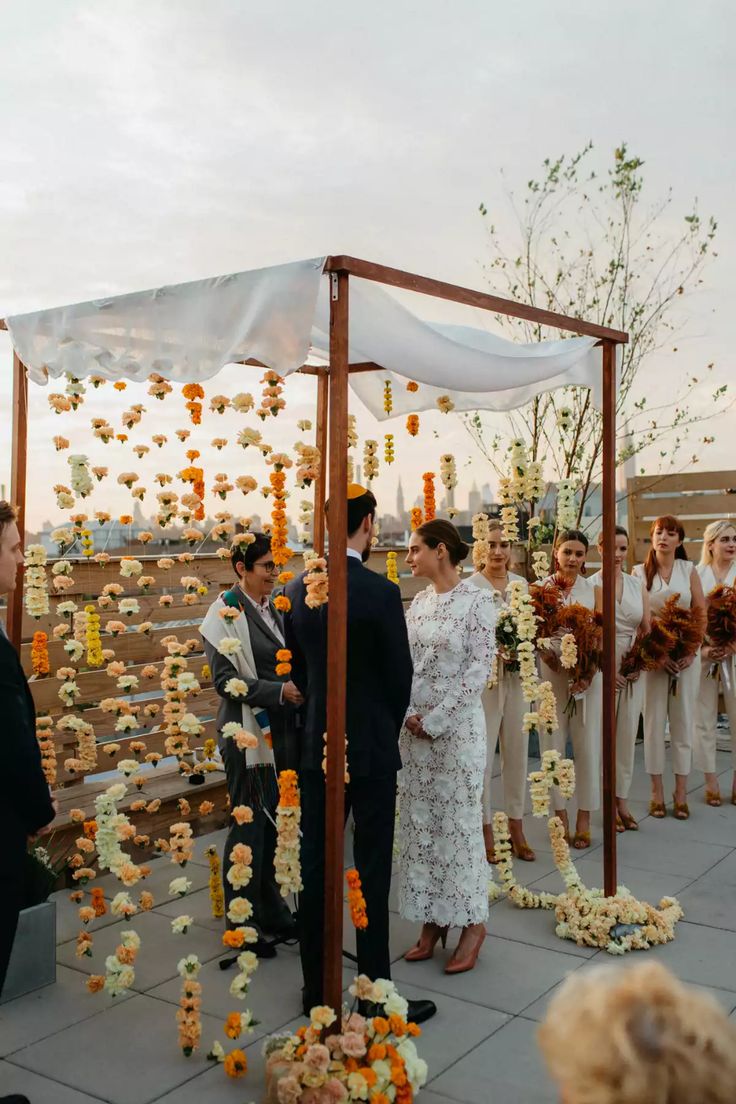
The Jewish Huppah, a canopy under which a couple gets married, symbolizes the home the couple will build together. This tradition, with its roots in ancient symbolism, has seen a revival as couples embrace the notion of starting their journey in a sacred, personal space.
In Poland, it’s traditional for parents to greet the newlyweds with bread and salt. Bread signifies the hope that the couple will never experience hunger, while salt reminds them of life’s difficulties. This meaningful tradition is making a comeback, symbolizing the community’s wishes for the couple’s prosperous future.
Aso-ebi, the Nigerian practice of wearing matching fabrics at weddings, is not just a fashion statement but a symbol of unity and solidarity. Increasingly, diaspora couples are incorporating Aso-ebi, showcasing a vibrant tapestry of their cultural identity.
This intricate Japanese ritual involves the couple taking three sips each from three different sake cups, symbolizing sealing the bond between them. The revival of San-san-kudo speaks to couples who value the deep, symbolic gestures of their heritage.
The Quaich, a two-handled Scottish cup, represents the sharing between the couple. Drinking from the Quaich, couples symbolize trust, sharing, and respect in their relationship. This tradition is gaining favor among couples who appreciate its symbolism of unity and partnership.
As 2024 unfolds, these cultural traditions are more than mere rituals; they’re a celebration of heritage and identity. Couples today are not just planning a wedding; they’re weaving a story that honors the past while embarking on a new beginning. In embracing these customs, they’re not only creating an unforgettable experience but also keeping the essence of their cultures alive and thriving.
In a world where individuality is celebrated, these traditions offer a way to be uniquely personal yet deeply connected to one’s roots. As we witness these traditions make a comeback, we’re reminded of the beauty and diversity of our global tapestry, each thread intertwined with love, respect, and unity.
READ MORE: TRADITIONAL JAVANESE WEDDING RITUALS AND THEIR MODERN INTERPRETATIONS
To explore the latest trends, expert advice, and breathtaking inspiration in the world of weddings, don’t miss out on the Get Wedded in Australia 2023-2024 digital magazine! Whether you’re a bride-to-be or a wedding enthusiast, this magazine is a must-read.
Below, browse and read your free copy of the Get Wedded in Australia 2023-2024 digital magazine today.

From Venus retrograde wedding dates to birth chart...
LEARN MORE
Disney’s Fairy Tale Weddings marks its 35th anniv...
LEARN MORE
Days before his death at 48, James Van Der Beek r...
LEARN MORE